Finding the Right Size of Vehicle
Whichever type you pick, a driver comes with it, and a licensed, insured operator supplies both. Start with the size of your group, then open a type below to see its features.
Seven people or fewer
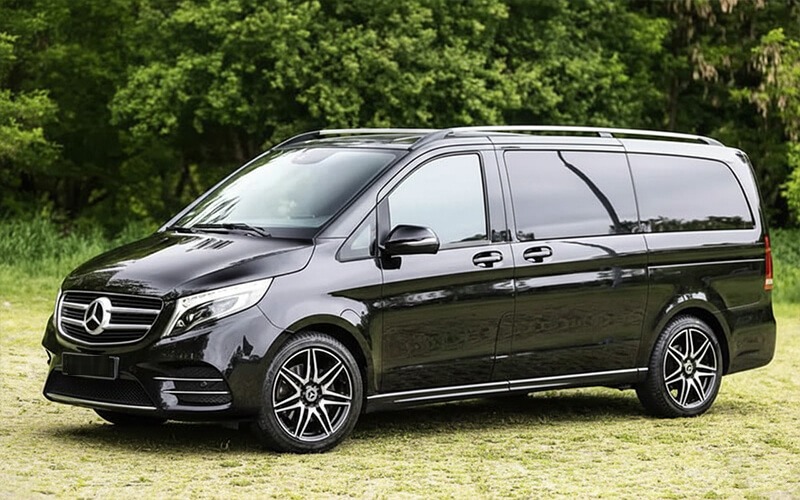
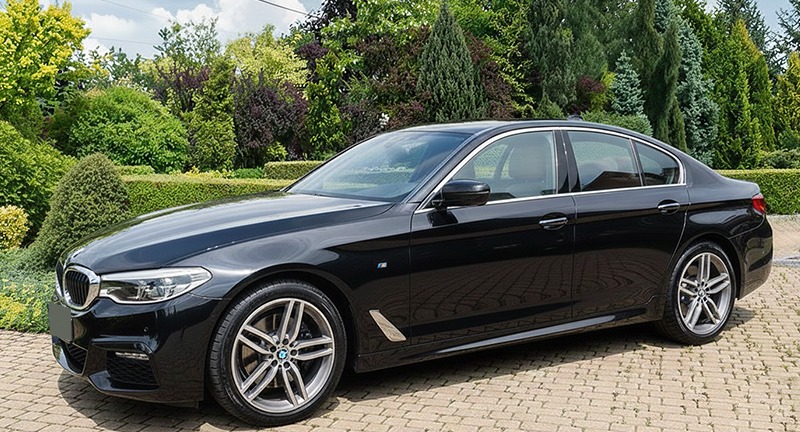
A people carrier seats six or seven and is a comfortable way to move a family, or a golf four-ball with their bags. An executive car suits one to three guests, such as a visiting speaker or the wedding couple.
The minibus sweet spot
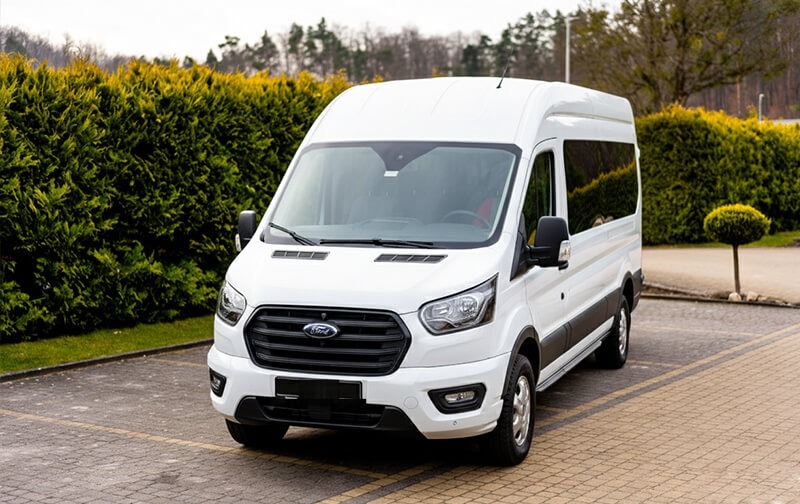
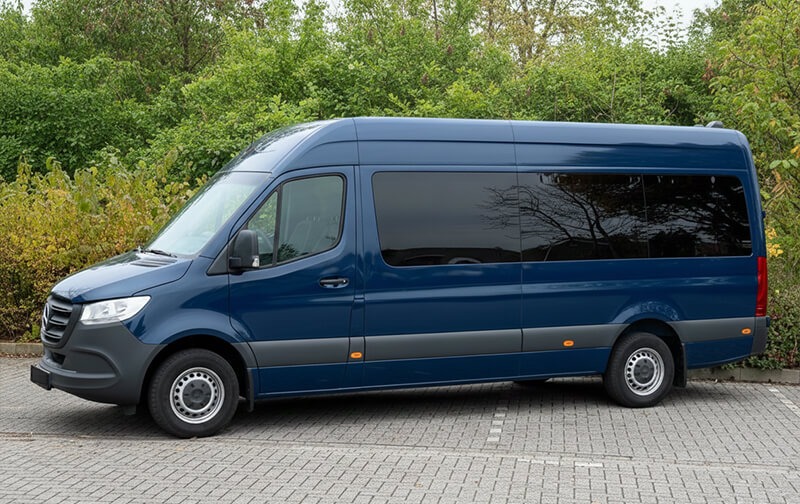
Most minibuses take 16 to 19 passengers, with a luggage compartment at the rear. They're the natural choice for clubs, school groups and big families, and they manage town streets and country lanes with less fuss than a full-size coach.
When the group grows
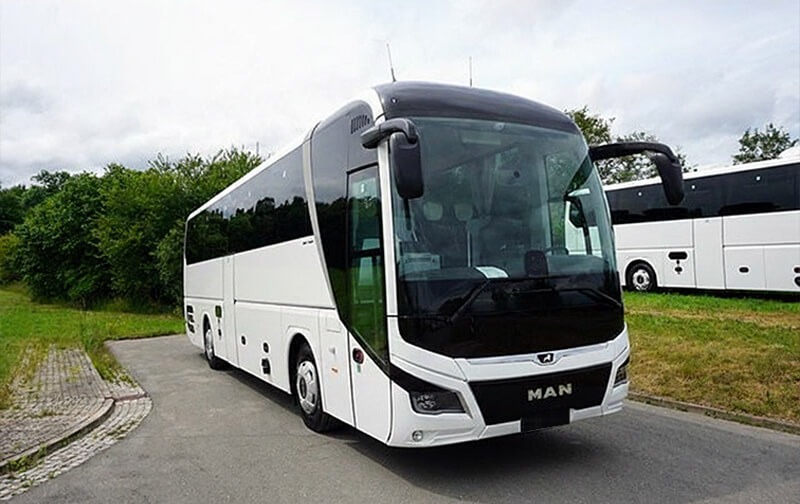
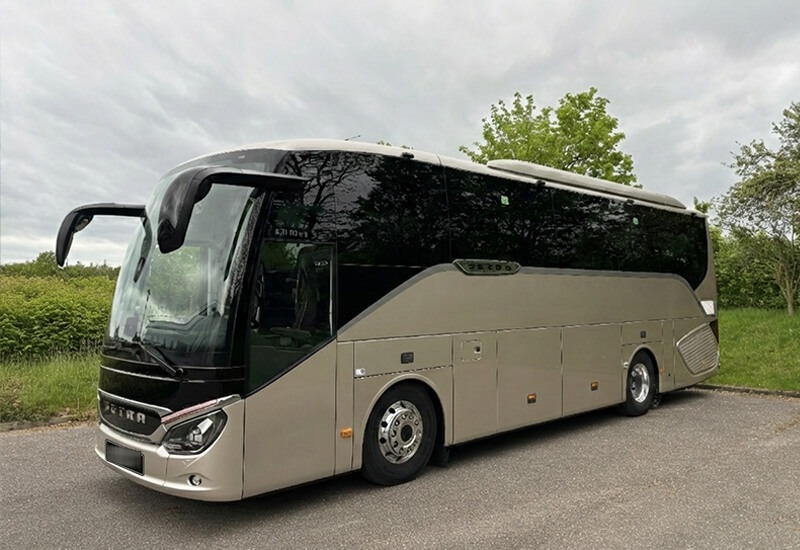
A midi-coach seats around 29 to 35, and a full-size coach 49 to 81, with underfloor bays for luggage. For passengers who use wheelchairs, an accessible minibus combines ordinary seats with wheelchair spaces.
Questions
Can I ask for a particular model?
You choose the type of vehicle. The exact one depends on what the operator has available, and your quote names the type.
Are two minibuses ever better than one coach?
Sometimes. Two minibuses can split up for different stops or use set-down spots a big coach can't. Ask for both to be priced.
Does everyone need a seat belt?
Passengers aged 3 or over must wear one where fitted, and buses carrying children need a belt or restraint for each child.
Compare vehicle types
- Full-size coach — 49-81 seats
- Midi coach — 29-35 seats
- Minibus — 16-19 seats
- Executive van (Mercedes V-Class and similar) — 6-7 seats
- Executive car (E-Class saloon class) — 1-3 seats
- Wheelchair-accessible minibus — 10-16 plus wheelchair spaces
Unsure which size you need?
Tell us the number of passengers and what they're bringing, and we'll suggest a vehicle.
Request a quote or call +353 1 265 9159